Chef Font: A Quirky Color Font for Modern Design
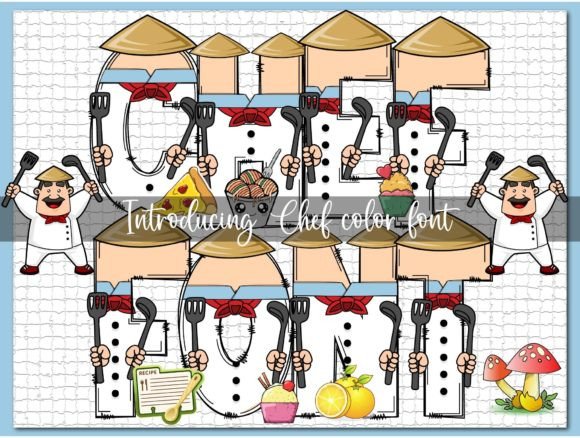
In the crowded landscape of digital typography, finding a font that genuinely stops the scroll is like striking gold. Imagine a typeface that doesn’t just convey words, but injects them with personality, color, and a handcrafted aesthetic. That’s exactly what the Chef color font offers—a vibrant, trendy, and quirky solution designed to transform standard text into visual art.
From a professional graphic design perspective, the integration of color fonts represents a significant shift in how we approach typographic hierarchy and visual storytelling. Chef is not merely a collection of letters; it is a comprehensive design asset. Whether you are curating fonts for Instagram stories, designing calligraphy scripts for DIY projects, or building a distinct brand identity, this typeface bridges the gap between standard communication and artistic expression.
Elevating Visual Design with Typography
Typography is the voice of your design. While traditional sans-serifs and serifs provide structure, a display font like Chef provides the emotion. In modern graphic design, we are seeing a trend toward maximalism and expressive layouts. Users are gravitating toward visuals that feel human, organic, and textured. Chef fits perfectly into this movement, offering a hand-drawn style that retains legibility while maximizing visual impact.
The power of this color font lies in its ability to establish a strong visual hierarchy without the need for complex layering. Because color information is embedded directly into the font file, designers can bypass the time-consuming process of outlining text and applying gradients or textures manually. This streamlines the design workflow, allowing for rapid prototyping and consistent application across various media.
Practical Applications Across Creative Projects
The versatility of the Chef font makes it a valuable addition to any creative’s toolkit. Its aesthetic appeal is broad enough to span multiple industries, yet specific enough to create a memorable mark. Here are several practical applications where this font can elevate your work:
- Branding and Logo Design: For brands targeting a youthful, artisanal, or creative demographic, Chef offers an instant personality injection. It works exceptionally well for bakery logos, lifestyle brands, or creative agencies looking to stand out from corporate minimalism.
- Social Media Content: On platforms like Instagram and TikTok, attention spans are short. The colorful, quirky nature of Chef makes it ideal for high-engagement posts, Stories, and Reels where the text itself acts as a visual hook.
- Packaging Design: Physical products benefit immensely from typography that feels tactile. Whether used for artisanal food labels or boutique cosmetics, this font adds a layer of premium, handcrafted quality to the packaging.
- Web Design and UI: While body text requires strict legibility, headers and hero sections in web design thrive on unique typography. Using Chef for call-to-action buttons or section titles can break the monotony of standard web layouts and improve user engagement.
- Merchandise and Editorial Layouts: From T-shirt slogans to magazine headers, the font’s bold visual presence ensures that the message is not just read, but felt.
Integrating Chef into Your Design Workflow
While a font like Chef is visually striking, successful implementation requires a thoughtful approach to visual design principles. To ensure your creative projects maintain a professional presentation, consider the following guidelines:
- Prioritize Readability: Display and color fonts are best used for headlines and short bursts of text. Avoid using Chef for long-form body copy where legibility is paramount. Instead, pair it with a clean, neutral sans-serif for supporting text to maintain a balanced visual hierarchy.
- Consider the Color Palette: Because Chef is a color font, it comes with its own inherent hues. Ensure that the background you place it against offers sufficient contrast. If the font’s embedded colors clash with your brand’s palette, look for ways to harmonize the tones or use the font on neutral backgrounds.
- Match the Tone: Typography sets the psychological tone of the design. The quirky, handwritten style of Chef suggests creativity, warmth, and approachability. It may not be suitable for formal corporate reports or legal documentation, but it is perfect for lifestyle, fashion, and entertainment sectors.
- Test for Scalability: Always test your typography at various sizes. A font that looks great on a desktop screen might lose its charm when scaled down for a mobile UI or scaled up for a billboard. Ensure the details remain crisp across all intended applications.
Ultimately, the goal of any design asset is to facilitate clear and effective visual communication. By incorporating high-quality, expressive tools like the Chef font, designers and creators can push beyond generic templates. It allows you to craft experiences that resonate with your audience, ensuring that every project—from a simple Instagram post to a comprehensive brand overhaul—feels unique, intentional, and artistically refined.