Exploring the Dot Alphabet: A Design Perspective
Imagine a design element that communicates with absolute clarity, transcending language barriers through pure form. The Dot Alphabet, a system of tactile communication, offers a masterclass in minimalist, functional design that holds powerful lessons for modern creatives.
At its core, this alphabet uses a grid of six dots—arranged in two columns of three—to represent every character. Its genius lies in its systematic constraint. For graphic designers, this is a blueprint for creating visual systems that are both efficient and universally accessible. It reminds us that the most effective branding and communication often stem from disciplined simplicity.
Practical Applications in Modern Design
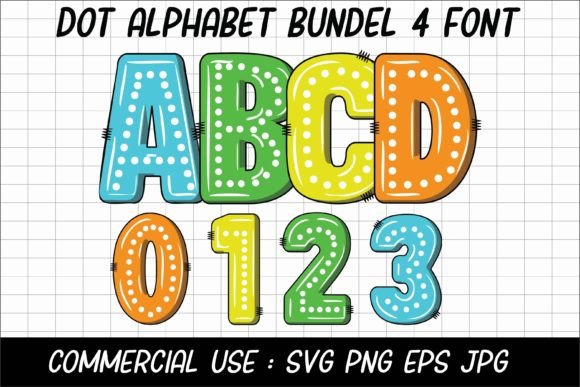
While its primary purpose is accessibility, the principles behind the Dot Alphabet inspire a wide range of creative projects. Its structured, pattern-based aesthetic can be adapted to create unique visual assets that stand out in a crowded digital landscape.
- Brand Identity & Logo Design: Incorporate dot patterns or grid-based layouts inspired by this system to craft logos that convey precision, inclusivity, and modernity. It’s particularly effective for tech, education, or social impact brands.
- Typography & Editorial Design: Use dot-matrix textures or layered dot patterns as a background or accent in magazine layouts, book covers, or poster designs. This adds a tactile, digital-organic hybrid feel.
- Digital & UI Design: Apply dot grids as subtle background textures in web design or app interfaces. They can enhance visual hierarchy without overwhelming content, guiding the user’s eye naturally.
- Packaging & Merchandise: The tactile nature of dots translates beautifully to print design. Use embossed dot patterns on packaging or merchandise to create a memorable sensory experience that elevates perceived quality.
Integrating the Aesthetic into Your Workflow
Leveraging this style requires thoughtful execution. Consider these tips for effective integration:
- Prioritize Consistency: Develop a grid system based on the 2x3 dot matrix. Use this grid to align elements in your layout, ensuring a cohesive and structured visual hierarchy across all materials.
- Balance with Color Palette: A monochromatic or limited color palette often works best, letting the dot patterns speak for themselves. Use a single accent color to highlight key information or calls to action.
- Ensure Readability: When using dot patterns as text backgrounds or overlays, always maintain high contrast. The goal is to enhance, not hinder, user engagement and message clarity.
Ultimately, the Dot Alphabet is more than a writing system; it’s a testament to the power of thoughtful, user-centric design. By studying its principles—clarity, structure, and purposeful constraint—designers can unlock new ways to communicate with impact. In a world saturated with visual noise, returning to such foundational concepts can be the key to creating work that is not only beautiful but profoundly functional and inclusive. Quality creative assets, whether a custom font or a pattern library, should always serve this dual goal of aesthetics and clear communication.