Retro Graffiti: Injecting Urban Authenticity into Modern Design
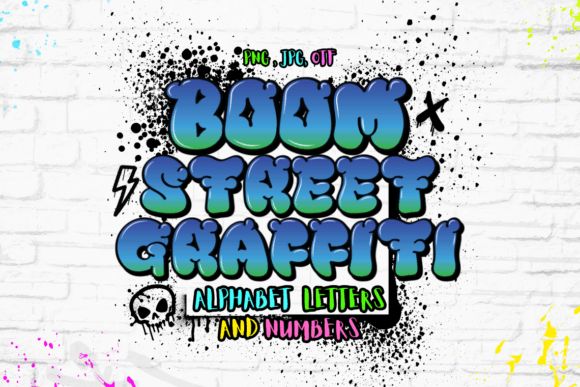
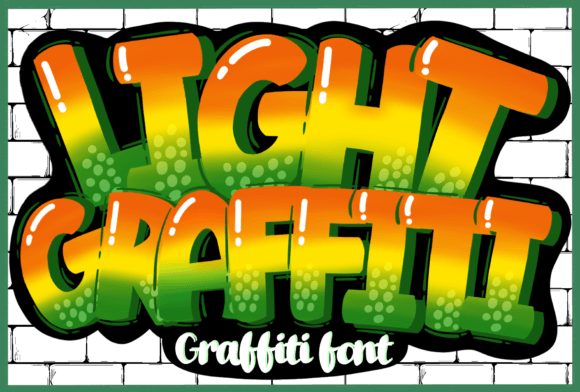
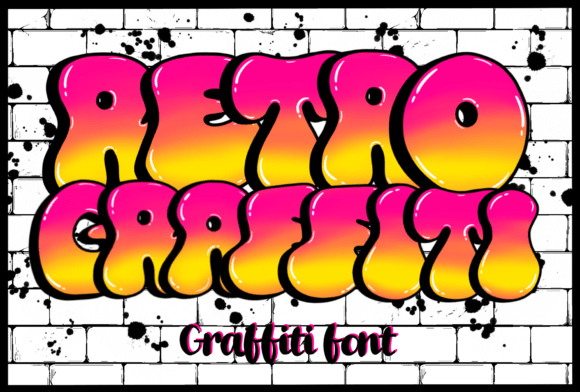
The raw energy of street art, captured in a typeface, has the power to instantly transport a viewer. Retro Graffiti is a cool, classic graffiti font that brings back the vibe of street art from back in the day. With bold lines and a funky, authentic style, it's more than just a novelty; it's a strategic graphic design asset for adding urban flair to your projects. Whether you're creating posters, logos, or just want to make a statement, Retro Graffiti offers edgy charm that can elevate a design from mundane to memorable.
The Role of Authentic Typography in Visual Communication
In a crowded digital landscape, typography is a primary vehicle for personality and tone. Retro Graffiti, as a specific style, communicates rebellion, creativity, nostalgia, and youth culture. Its value in modern graphic design lies in its ability to create immediate emotional resonance. For brands targeting a demographic that values authenticity, counter-culture, or artistic expression, this font style can be a cornerstone of a powerful visual identity. It moves beyond mere legibility to convey a feeling, setting the stage for the entire user experience.
Practical Applications for Maximum Impact
Integrating a distinctive font like Retro Graffiti requires thoughtful application to maintain professionalism and clarity. Here are key areas where it can shine:
- Branding and Logo Design: Ideal for streetwear brands, music festivals, urban cafes, or any business with a gritty, authentic edge. It creates a bold, recognizable logotype that stands out in a sea of minimalist sans-serifs.
- Marketing and Social Media Graphics: Use it for headline text on Instagram stories, YouTube thumbnails, or event posters. Its bold presence cuts through the noise on feeds, grabbing attention instantly.
- Website and UI Design: Best used sparingly for impactful elements like hero section headings or call-to-action buttons. This maintains readability for body text while delivering strong visual hierarchy and brand flavor.
- Packaging and Merchandise: Perfect for product labels, band merch, or promotional items where a tactile, street-art quality enhances perceived value and aligns with the product's story.
- Editorial and Presentation Design: Can create compelling chapter titles in magazines or dynamic slide headers in presentations, adding a layer of creative inspiration and breaking from corporate monotony.
Strategic Implementation for Professional Results
Choosing a creative asset like Retro Graffiti is just the first step. Effective use within a design workflow is critical. Always consider your primary audience and design goals. A font that works brilliantly for a music festival poster may not suit a corporate annual report. Evaluate its readability at the required scale—its intricate details may get lost in very small body text. Ensure it complements, rather than clashes with, your existing color palette and imagery. The most successful designs use such expressive typography as a focal point, supported by cleaner, more neutral fonts for supporting information. This creates a balanced visual hierarchy that guides the viewer's eye effectively.
Ultimately, the power of a resource like Retro Graffiti lies in its ability to inject a specific, evocative mood into your work. Thoughtful selection and application of design elements are what separate good design from great communication. By aligning your creative assets with your core message and audience expectations, you craft experiences that are not only visually striking but also deeply resonant, enhancing both aesthetics and the clarity of your brand's story.