Grigio: Elevate Your Visual Design with a 3D Color Font
In the ever-evolving landscape of visual design, typography remains a cornerstone of effective communication. A well-chosen typeface doesn't just convey words; it sets a tone, establishes a mood, and can instantly elevate a creative project from ordinary to extraordinary. For designers seeking to inject personality, depth, and a modern aesthetic into their work, exploring innovative typography solutions is key. This is where a unique asset like the Grigio 3D color font comes into play, offering a fresh approach to lettering that blends playful energy with sophisticated technology.
What is Grigio and Why Does it Matter?
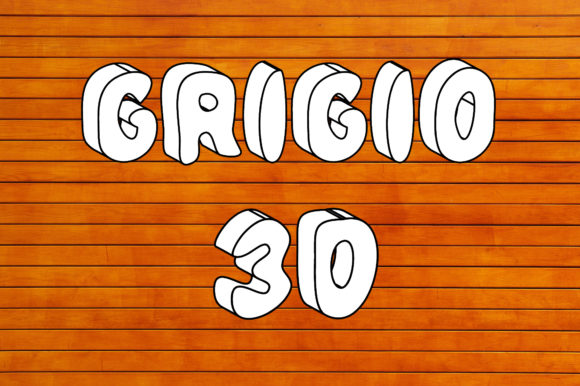
Grigio is a casual and interesting 3D color font. Cartoon-like and full of joy, this font will elevate any design idea you can think of. As an OpenType-SVG color font, it moves beyond traditional flat letterforms. It incorporates multiple colors, gradients, and 3D effects directly into the font file itself. This means each character is a small, self-contained graphic, ready to be used without requiring manual coloring or layering in your design software. For graphic designers and brand strategists, this represents a significant efficiency gain and a powerful tool for creating impactful visual hierarchy and modern aesthetics.
Practical Applications for Creative Projects
The versatility of a font like Grigio allows it to serve numerous applications across the design workflow. Its inherent character makes it particularly suited for projects that aim to stand out and engage an audience on an emotional level. Consider its use in the following scenarios:
- Branding and Logo Design: A brand identity built around Grigio can immediately communicate a sense of fun, creativity, and approachability. It's ideal for startups, children's brands, gaming companies, or any business wanting to project a dynamic and modern image.
- Marketing Materials & Advertising: From digital ads to flyers, the 3D effect of Grigio captures attention instantly. It can make call-to-action text pop or headlines feel more engaging, improving user engagement and recall in crowded digital marketing spaces.
- Social Media Graphics: In the fast-scrolling environment of social platforms, Grigio helps posts stand out. Use it for bold titles on Instagram stories, eye-catching YouTube thumbnails, or memorable quotes that encourage shares and interaction.
- Packaging Design & Merchandise: The playful, tactile quality of a 3D color font translates beautifully to physical products. It can add a premium, fun feel to product labels, merchandise, and packaging, enhancing the unboxing experience and strengthening brand perception.
Integrating Grigio into Your Design Workflow
While Grigio is a powerful creative asset, thoughtful implementation is crucial to maintain professionalism and clarity. Here are key considerations for designers:
- Compatibility Check: Remember, Grigio is an OpenType-SVG font. It is compatible with applications like Adobe Photoshop, Illustrator, and Inkscape, but standard OTF or TTF files are not compatible with cutting machines like Cricut. Always verify software support for color fonts in your design workflow.
- Readability and Hierarchy: Due to its decorative nature, Grigio is best used for headlines, logos, or short bursts of text. For body copy, pair it with a clean, highly readable sans-serif or serif font to ensure a balanced visual hierarchy and optimal UX design.
- Color Palette Coordination: Although Grigio has built-in colors, consider how they interact with your overall color palette. The font's existing hues can serve as an accent, or you can explore versions that align with your primary brand colors for seamless integration.
- Scalability and Context: Test the font at various sizes to ensure the 3D details remain clear and impactful. Its cartoon-like style is perfect for playful contexts but may need careful consideration for more formal or minimalist design trends.
Ultimately, the strength of any design lies in the harmony of its elements. Typography like Grigio offers a fantastic way to inject personality and depth, but it should always serve the project's core message and audience. By selecting creative assets that align with your design goals—whether for a brand identity, a web design header, or an editorial layout—you ensure that every visual choice contributes to a polished, professional, and communicative result. Thoughtful design is about making intentional choices, and the right typographic tool can make all the difference in bringing a creative vision to life.