Illuminate Your Design Projects with the Light Bulb Font
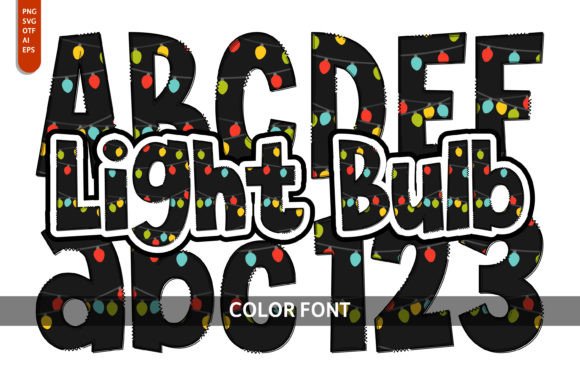
Sometimes, the most impactful creative projects begin with a single spark of inspiration, much like the moment a light bulb turns on. For designers seeking to inject immediate energy, charm, and a handcrafted aesthetic into their work, the Light Bulb color font offers a vibrant solution. This unique typeface, designed with a playful and artistic feel, is more than just letterforms; it's a complete visual asset that can transform the tone of your designs, making it particularly effective for projects aimed at young audiences or anyone seeking a whimsical touch.
Understanding the Light Bulb Color Font
At its core, the Light Bulb font is an OpenType-SVG color font. This advanced format allows each character to contain multiple colors, gradients, and textures directly within the font file, creating a rich, pre-rendered effect that standard fonts cannot achieve. It’s designed to be whimsical, colorful, and exceptionally easy to read, ensuring that visual flair never compromises clarity. This makes it a powerful tool in a designer's toolkit, especially for applications where engagement and a friendly tone are paramount.
Key Technical Considerations
- Compatibility: This font shines in professional design software like Adobe Photoshop, Illustrator, and Inkscape. It is also compatible with Silhouette Studio for crafting projects.
- File Formats: The product typically includes OTF and/or TTF files. It's important to note that these specific color font files are not compatible with Cricut Design Space. For intricate vinyl cutting or engraving, users may need to convert the text to outlines or shapes within compatible software first.
- Learning Curve: To maximize its potential, consulting a comprehensive guide on using color fonts is highly recommended, as they operate differently from traditional text fonts.
Practical Applications in Modern Graphic Design
The true value of an asset like Light Bulb lies in its versatility across creative projects. Its inherent personality can strengthen brand identity and improve user engagement when applied thoughtfully. Consider its role in these key areas:
Branding and Logo Design: A startup or children's brand can use Light Bulb to create a logo that feels instantly approachable and fun. It sets a specific tone for the brand identity, suggesting creativity and playfulness.
Marketing and Social Media Graphics: In the fast-scrolling environment of social media, a post header or promotional graphic set in Light Bulb can stop the eye. It’s perfect for announcements, sale tags, or quotes that need to feel energetic and optimistic, boosting digital marketing efforts.
Packaging and Editorial Design: Imagine a children's book cover, a greeting card, or a snack package where the typography itself is a piece of art. Light Bulb can dominate a layout, creating a strong visual hierarchy and memorable unboxing experience.
Digital Products and UI Elements: For web design or UI design, this font can be used sparingly for call-to-action buttons, banner text, or within a game interface to inject personality without overwhelming the user experience (UX).
Tips for Effective Implementation
Integrating a display font like Light Bulb requires a strategic approach to maintain design quality and consistency. Here are actionable insights for your workflow:
- Pair with Simplicity: Let Light Bulb be the star. Pair it with a clean, neutral sans-serif or serif font for body copy to ensure readability and create a balanced visual hierarchy.
- Respect the Color Palette: Since the font has built-in color, ensure it harmonizes with your project's broader color palette. You may need to adjust surrounding elements to complement its vibrant hues.
- Test for Scalability: Always check how the font renders at different sizes. What looks stunning in a poster header may become illegible at a small point size for UI text.
- Align with Audience Expectations: Use it for projects where its playful, artistic feel is an asset. It may not suit a formal corporate report but is ideal for invitations, merchandise, and advertising campaigns targeting a younger demographic or a casual market.
- Consider the Medium: For print design, ensure your print shop can handle the color font file. For digital use, test rendering across different screens.
Ultimately, the most effective designs are those where every element, from imagery to typography, serves a clear purpose. The Light Bulb font is a prime example of how a thoughtful creative asset can do more than just display words; it can convey emotion, establish a mood, and make communication more engaging. By selecting quality resources that align with your project's goals and understanding their technical applications, you elevate both the aesthetic appeal and the communicative power of your work, ensuring your designs not only look professional but also resonate deeply with their intended audience.